


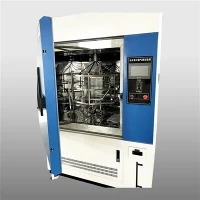


Determining the proper loading capacity of an industrial oven is a crucial step in ensuring efficient and effective operations. As an industrial oven supplier, we understand the significance of this decision and its impact on your production processes. In this blog, we will explore the key factors to consider when determining the appropriate loading capacity for your industrial oven, providing you with the knowledge to make an informed choice.
Understanding Your Production Requirements
The first step in determining the proper loading capacity is to have a clear understanding of your production requirements. This involves assessing the volume and frequency of the items you need to process. Consider the following questions:
- What is the daily or weekly production volume? Knowing the quantity of items you need to process over a specific period will help you estimate the loading capacity required. For example, if you are a manufacturer of electronic components and need to bake 500 units per day, you need an oven that can accommodate this volume efficiently.
- What is the size and shape of the items? The dimensions and shape of the items you are processing will influence the oven's loading capacity. Irregularly shaped items may require more space, while smaller, uniform items can be packed more densely. Measure the largest item you plan to process and ensure that the oven has enough internal dimensions to accommodate it.
- What is the processing time per batch? The time it takes to process a batch of items in the oven is another important factor. If your production process requires a long processing time, you may need a larger oven to maintain a consistent production rate. On the other hand, if the processing time is short, a smaller oven may be sufficient.
Oven Design and Configuration
The design and configuration of the industrial oven also play a significant role in determining its loading capacity. Different types of ovens have different loading capabilities, and it's important to choose the one that best suits your needs. Here are some common types of industrial ovens and their loading characteristics:
- Batch Ovens: Batch ovens are designed to process a single batch of items at a time. They are typically used for small to medium production volumes and offer flexibility in terms of batch size and processing time. The loading capacity of a batch oven is determined by its internal dimensions and the type of racking or shelving system used. For example, a batch oven with adjustable racks can be configured to accommodate different sizes of items, maximizing the use of available space.
- Continuous Ovens: Continuous ovens are designed for high-volume production and allow for a continuous flow of items through the oven. They are commonly used in industries such as food processing, automotive, and electronics. The loading capacity of a continuous oven is determined by its conveyor speed, width, and length. A wider and longer conveyor can accommodate more items, while a faster conveyor speed can increase the throughput of the oven.
- Precision Vacuum Oven: Precision vacuum ovens are used for applications that require strict control of temperature and atmosphere. They are commonly used in the semiconductor, aerospace, and pharmaceutical industries. The loading capacity of a precision vacuum oven is limited by its chamber size and the need to maintain a consistent vacuum environment. It's important to choose a vacuum oven with a chamber size that can accommodate your items without overcrowding, as this can affect the uniformity of temperature and vacuum distribution.
- Industrial Drying Oven: Industrial drying ovens are used to remove moisture from various materials. They are commonly used in industries such as textiles, ceramics, and chemicals. The loading capacity of an industrial drying oven is determined by the size and weight of the items being dried, as well as the drying rate required. A larger oven may be needed to accommodate bulky or heavy items, while a faster drying rate may require a larger heating capacity.
- Precision Laboratory Oven: Precision laboratory ovens are used for research and development, quality control, and sample testing. They are designed to provide precise temperature control and uniformity. The loading capacity of a precision laboratory oven is typically smaller than that of industrial ovens, as they are used for smaller quantities of samples. However, it's still important to choose an oven with a chamber size that can accommodate your samples comfortably.
Thermal Considerations
The thermal performance of the industrial oven is another important factor to consider when determining the loading capacity. Overloading the oven can lead to uneven heating, longer processing times, and increased energy consumption. Here are some thermal considerations to keep in mind:


- Temperature Uniformity: Temperature uniformity is crucial for ensuring consistent processing results. Overloading the oven can disrupt the airflow and heat distribution, leading to hot spots and cold spots. It's important to choose an oven with good temperature uniformity and to avoid overloading it.
- Heating Rate: The heating rate of the oven determines how quickly it can reach the desired processing temperature. Overloading the oven can slow down the heating rate, increasing the processing time and energy consumption. Make sure to choose an oven with a heating rate that can meet your production requirements.
- Energy Efficiency: Overloading the oven can also reduce its energy efficiency. When the oven is overloaded, it has to work harder to maintain the desired temperature, consuming more energy. Choosing an energy-efficient oven and operating it at the appropriate loading capacity can help reduce your energy costs.
Safety Considerations
Safety is always a top priority when operating an industrial oven. Overloading the oven can pose a safety hazard, such as fire, explosion, or equipment damage. Here are some safety considerations to keep in mind:
- Weight Capacity: Every industrial oven has a maximum weight capacity specified by the manufacturer. Exceeding this weight capacity can cause structural damage to the oven and increase the risk of accidents. Make sure to check the weight capacity of the oven and avoid overloading it.
- Ventilation: Proper ventilation is essential for removing fumes, gases, and moisture from the oven. Overloading the oven can block the ventilation openings, reducing the airflow and increasing the risk of fire or explosion. Make sure to provide adequate ventilation and avoid overloading the oven.
- Operator Training: Proper operator training is crucial for ensuring safe and efficient operation of the industrial oven. Operators should be trained on how to load and unload the oven properly, as well as how to monitor and control the temperature and other operating parameters.
Conclusion
Determining the proper loading capacity of an industrial oven is a complex process that requires careful consideration of your production requirements, oven design and configuration, thermal performance, and safety considerations. As an industrial oven supplier, we can help you choose the right oven for your needs and provide you with the support and guidance you need to ensure its safe and efficient operation.
If you are interested in learning more about our industrial ovens or have any questions about determining the proper loading capacity, please feel free to contact us. We would be happy to discuss your specific requirements and provide you with a customized solution.
References
- ASME Boiler and Pressure Vessel Code
- NFPA 86 - Standard for Ovens and Furnaces
- UL 795 - Standard for Commercial - Use Gas - Fired Cooking Appliances
- Manufacturer's Product Literature and Technical Specifications